








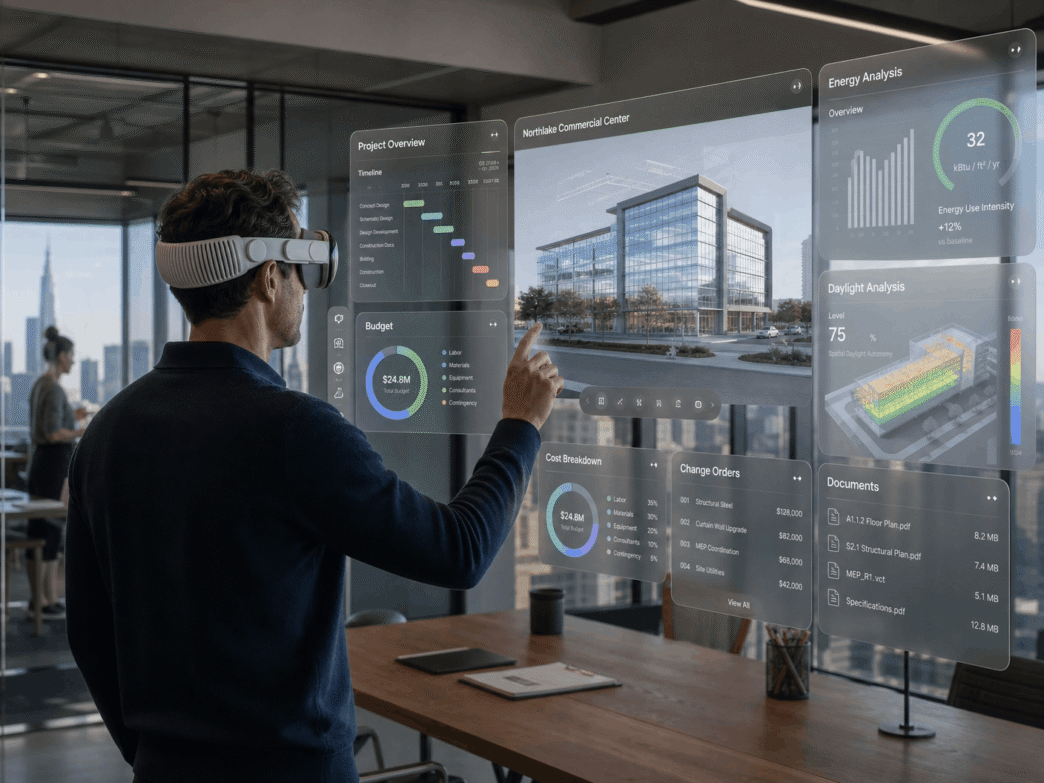
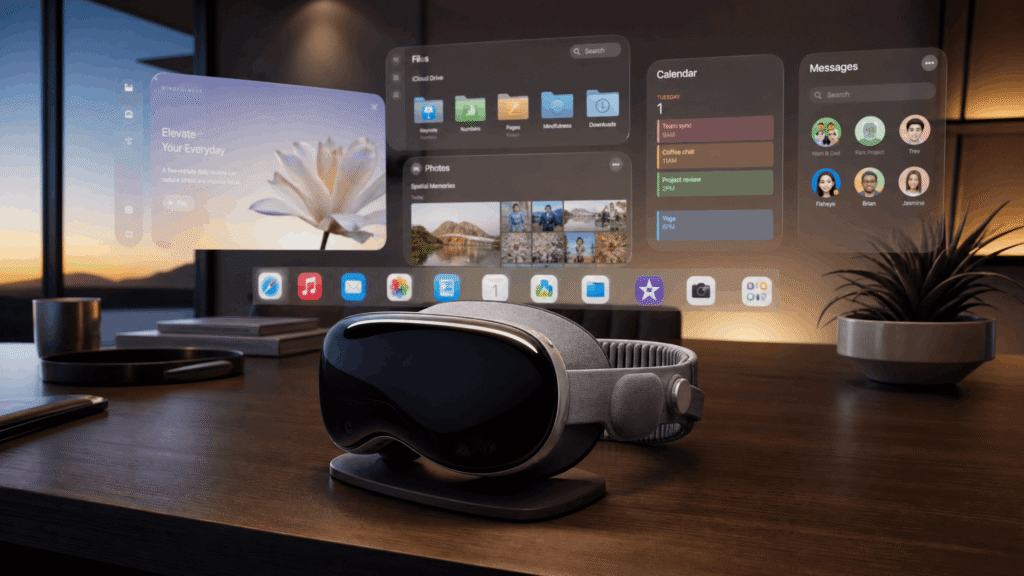
When Apple launched the Apple Vision Pro in February 2024 at $3,499, the company called it “the most advanced consumer electronics device ever created.” Critics called it a solution looking for a problem. Early adopters called it extraordinary but unwearable for more than an hour.
Two years later, Apple is still betting everything on spatial computing — and the latest moves in 2026 suggest the company is nowhere near giving up on the category it is determined to own.
Here is where Vision Pro stands today and what the latest news actually means.
Apple Vision Pro 2026: What Has Changed and What Hasn’t
Apple quietly discontinued the original Vision Pro in late 2025 and replaced it with two new models — a refreshed premium Vision Pro and a significantly cheaper “Vision Air” variant rumored to be priced between $1,500 and $2,000.
The Vision Air is the best that matters.
The original Vision Pro’s $3,499 price tag limited its audience to wealthy early adopters, enterprise clients, and developers. According to data cited by Bloomberg’s technology team, Apple sold fewer than 500,000 units of the original Vision Pro globally in its first year — a commercial disappointment relative to Apple’s internal projections, which had reportedly targeted one million units.
The Vision Air changes the calculation. At half the price, Apple enters a market it was previously locked out of — the mainstream consumer who wants spatial computing but cannot justify a luxury purchase.
What the latest 2026 Vision Pro news reveals:
Enterprise adoption has been stronger than consumer adoption. Companies including Walmart, BMW, and several major hospital networks have deployed Vision Pro units for training, design visualization, and surgical planning. Enterprise sales accounted for an estimated 35% of all Vision Pro revenue in 2025, according to analyst reports tracked by The Verge’s Apple coverage
The developer ecosystem is finally growing. The App Store for visionOS had fewer than 2,000 apps at launch. By early 2026, it had crossed 10,000, including major productivity tools, entertainment platforms, and enterprise software that were absent at launch.
The competition arrived. Meta’s Quest 4, launched in late 2025 for $599, is the most capable and affordable mixed-reality headset ever released. Samsung’s Galaxy XR headset launched in early 2026 in partnership with Google. Both are priced significantly below Vision Pro and are growing faster in unit sales.
What This Means for the Spatial Computing Race
Apple is in the position it has been in before — not the first to market at scale, not the cheapest option, but betting that its ecosystem, design quality, and brand loyalty create a defensible premium position.
It worked with smartphones. It worked with smartwatches. Whether it works with spatial computing depends on one question the original Vision Pro never answered: what is the killer use case that makes millions of ordinary people feel they cannot live without this device?
The Vision Air gives Apple a second chance to find that answer at a price point where the question is actually accessible to most consumers.
For the spatial computing category as a whole, 2026 is the year the hype era ends and the reality era begins. Read our full article, Hype vs Reality breakdown of the metaverse to understand why the gap between spatial computing’s promise and its present reality has a familiar pattern.
TrendsSpy Take on Apple Vision Pro 2026
The Apple Vision Pro story in 2026 is not a failure narrative yet — but it is no longer a triumph narrative either. It is something more interesting: a genuinely uncertain bet from the world’s most valuable company on a category that may take a decade to mature.
Watch the Vision Air sales numbers in Q3 2026. If they exceed one million units in the first two quarters, Apple has found its footing. If they disappoint, the spatial computing category faces the same credibility crisis that hurt VR in 2016.
Either way, it will be worth autopsying.
Is Apple Vision Pro worth buying in 2026?
The new Vision Air model at its lower price point is a more practical consideration for mainstream consumers than the original $3,499 Vision Pro. Whether it is worth buying depends heavily on your use case — enterprise and creative professionals have found clear value while everyday consumer use cases remain limited.
How many Apple Vision Pro units have been sold?
Apple does not publicly disclose Vision Pro sales figures. Analyst estimates suggest fewer than 500,000 original Vision Pro units were sold globally in 2024–2025. Vision Air sales figures for 2026 are not yet publicly available.
What is the Apple Vision Air price?
The Vision Air is rumored to be priced between $1,500 and $2,000 — approximately half the cost of the original Vision Pro. Apple has not officially confirmed final pricing as of mid-2026.
Who are Apple Vision Pro’s main competitors in 2026?
Meta Quest 4 ($599) and Samsung Galaxy XR are the primary competitors in 2026. Both are priced significantly below Vision Pro but offer lower build quality and smaller software ecosystems.







I\’m so glad I found your site. Your posts are consistently excellent.
I\’m truly grateful for your support. Your positive feedback keeps me motivated.
Your content is a go-to source for me when I need information. Great work, as always!
Your dedication to providing quality content is truly admirable. I\’m a fan of your work.